Column · @dantejcaq021
Must-Try Coffee Creations at a Cafe in Monument, CO
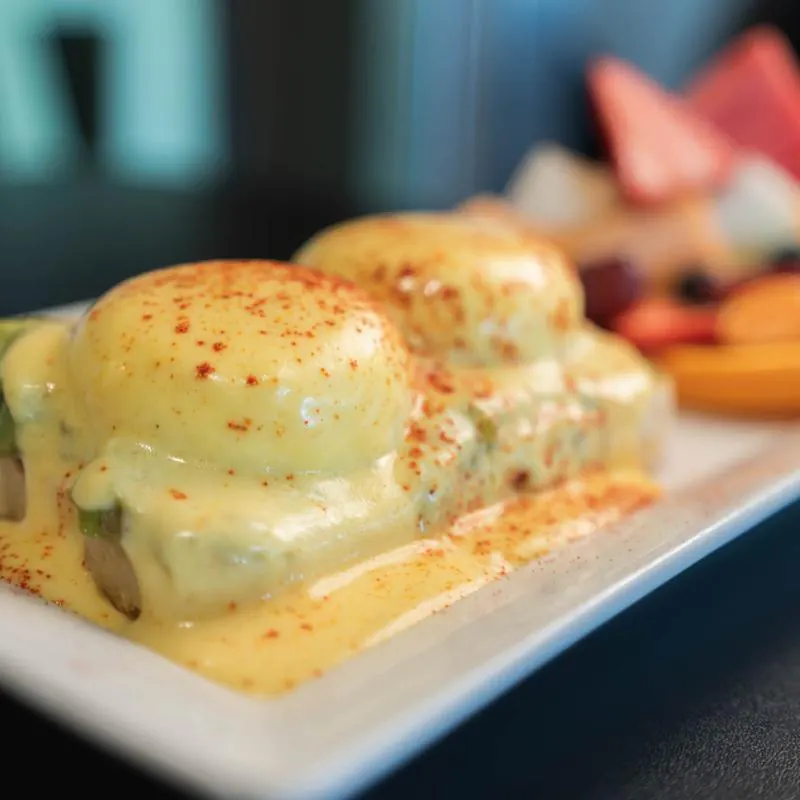
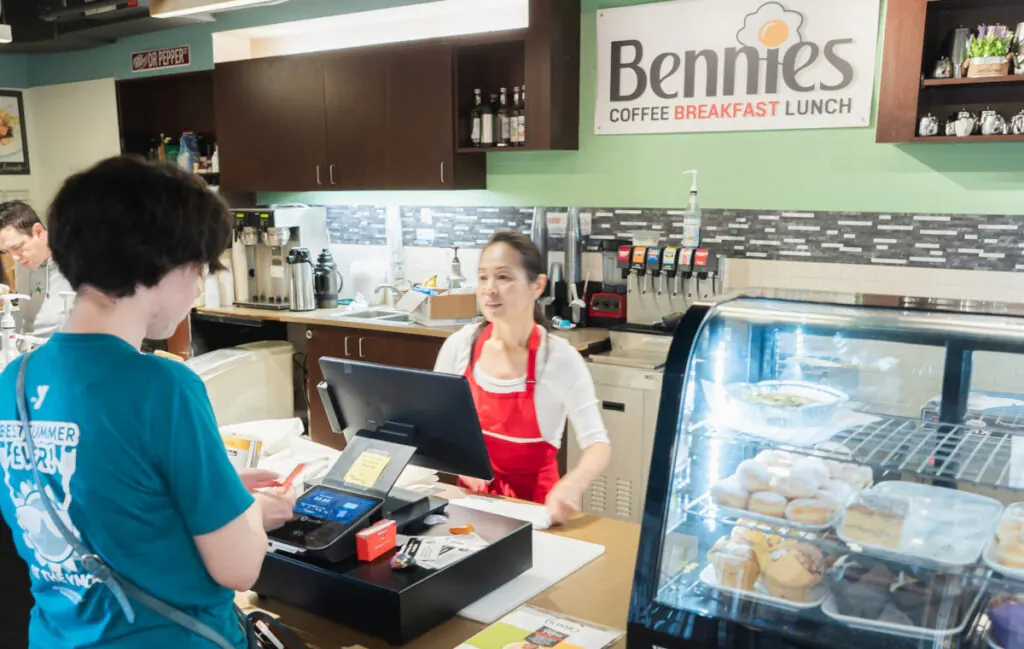
Coffee menus have changed dramatically over the past decade, but the best cafe experiences still come down to the same essentials: quality beans, careful extraction, balanced flavors, and a staff that knows when to guide and when to let a drink speak for itself. That is especially true in a town like Monument, where people want more than caffeine. They want a place to meet before work, warm up after a cold Front Range morning, or settle in for an hour with a laptop and a pastry. At a good Cafe Monument, CO locals return to, the drinks are not gimmicks. They are well-built, satisfying, and memorable enough to order again.
The most interesting coffee creations are usually the ones that show restraint. It is easy to bury espresso under syrup, whipped cream, and sweet drizzle. It is harder to build a drink that still tastes like coffee while offering texture, aroma, and a sense of season. That balance is what separates a forgettable specialty menu from one worth exploring. If you are scanning a board at a cafe in Monument and wondering what is actually worth trying, there are a handful of standout styles and flavor combinations that deserve your attention.
What makes a coffee creation worth ordering
A specialty drink earns its place when every ingredient has a purpose. Espresso should bring structure, milk should support rather than smother, and added flavors should sharpen the profile instead of flattening it into sugar. In practice, that means a honey cinnamon latte needs enough spice to read as warm and aromatic, but not so much that it tastes dusty. A mocha should offer cocoa depth, not just candy sweetness. A seasonal maple drink should finish clean, not sticky.
Altitude and climate play a subtle role in how people drink coffee in Monument. Cold mornings invite richer, milk-based drinks, while the dry air makes iced beverages more refreshing than many visitors expect, even outside peak summer. That creates room for a broad menu. Dark, comforting drinks can work beautifully in the morning, while lighter espresso tonics or cold brews make sense in the afternoon. A cafe that understands its setting will usually have a menu shaped by those rhythms.
From years of ordering coffee in mountain-adjacent towns, I have found that the most reliable sign of a strong menu is not the number of drinks on it. It is whether the barista can explain why a drink works. If they describe the espresso as chocolatey and nutty, then recommend orange or hazelnut pairings, that usually means the menu has been built with care. If every drink depends on an oversized pump of generic syrup, expectations should be lower.
The latte that proves simple does not mean boring
The latte remains the benchmark. It is also the drink most often underestimated. A well-made latte lets you evaluate espresso quality, milk texture, drink temperature, and balance in a single cup. At a cafe in Monument, a house latte often tells you more about the program than the most elaborate signature item.
Start with the plain version at least once. That order gives you a baseline. You can taste whether the espresso is roasted toward caramel and cocoa, or whether it leans brighter with berry or citrus notes. You can feel whether the milk has been steamed to a glossy texture or left airy and flat. A latte should not arrive scalding hot, because overheating destroys sweetness and leaves the finish dull. The best ones land in that sweet spot where the coffee remains vivid and the milk feels velvety rather than foamy.
After that first cup, flavored variations become more interesting because you know what is being built on top of the base. In many cafes, vanilla is the standard move, and there is nothing wrong with that when it is done lightly. Still, if a Monument cafe offers a house-made syrup such as lavender, rosemary vanilla, or cinnamon honey, that is usually the better order. House-made flavors tend to integrate more naturally and carry less artificial aftertaste.
Signature drinks that tend to shine in Monument
If a cafe takes pride in its coffee program, several creations consistently stand out. These are the drinks I would look for first, not because they are trendy, but because each one reveals something important about the shop’s approach.
- Honey cinnamon latte. This drink succeeds when the honey rounds out the espresso and the cinnamon stays fragrant rather than aggressive. It is especially good on cold Monument mornings, when you want comfort without the heaviness of a full dessert drink.
- Maple oat milk latte. Maple brings a cleaner sweetness than many syrups, and oat milk adds body without overwhelming the cup. When balanced well, it tastes toasty, slightly earthy, and surprisingly elegant.
- Mocha with dark chocolate. A serious mocha should taste like espresso and chocolate, not chocolate milk with coffee mixed in. Dark chocolate or real cocoa creates depth and keeps the finish from turning cloying.
- Cold brew with sweet cream. This one seems basic until it is made correctly. Good cold brew has low bitterness, a smooth body, and enough complexity to stand up to cream without losing character.
- Espresso tonic. Not every guest will love it, but a well-made espresso tonic is one of the most refreshing coffee drinks available. The bitterness of tonic, the sweetness of espresso, and a citrus garnish can be sharp, crisp, and unexpectedly addictive.
Each of these drinks rewards attention to proportion. The honey cinnamon latte, for example, can easily collapse into a one-note sweet drink if the honey is overpoured. The espresso tonic can taste medicinal if the tonic is too warm or the espresso is dumped in without care. When done right, though, these drinks show a level of discipline that says a lot about the cafe behind them.
Why the mocha deserves a second look
The mocha suffers from bad habits. Too many shops treat it as a default for people who do not really like coffee. The result is predictable: oversweet syrup, muted espresso, and a drink that sits heavy in the cup. Yet a carefully made mocha is one of the most complete coffee beverages available. It has bitterness, sweetness, aroma, and texture. It can be deeply satisfying in winter, especially in a place like Monument where the weather invites richer flavors for much of the year.
A strong mocha starts with chocolate that tastes like chocolate. That may seem obvious, but many do not. If a shop uses dark chocolate sauce, cocoa powder, or a ganache-style base, the drink usually has better structure. The espresso should not disappear. You want that roasted edge to come through the cocoa, creating a finish that feels rounded but still lively.
There is also room for variation. Peppermint can work during the holidays, but the best year-round mochas often involve subtler additions such as orange zest, sea salt, or a touch of cinnamon. Orange and coffee is a pairing more people should try. When used sparingly, citrus brightens chocolate and makes the espresso taste more expressive. I have had mochas in Colorado mountain towns that leaned too hard on sugar and whipped cream, and others that felt almost pastry-chef precise. The difference was never presentation alone. It was always ingredient quality and restraint.
Cold brew is not just for summer
One of the most common ordering mistakes I see is people limiting cold brew to hot days. In Monument, where mornings may start crisp even when afternoons warm up, cold brew still makes sense through much of the year. It offers a different kind of coffee experience, one with low acidity, broad sweetness, and a smooth, rounded body that appeals to both casual drinkers and serious coffee fans.
The challenge is that cold brew can also be dull. If steeped too long or made from stale beans, it turns woody and flat. If diluted too aggressively, it loses the intensity that gives it personality. A good version should taste deliberate. You might catch notes of chocolate, toasted nuts, brown sugar, or even dried fruit, depending on the beans used. Served over ice with a small splash of cream, it can feel both indulgent and clean.
Nitro cold brew deserves mention here as well. When infused with nitrogen, the texture becomes almost stout-like, with a cascading pour and a creamy head. Some people love the soft mouthfeel. Others find that it smooths away too much definition. That is a real trade-off. Nitro is excellent when the underlying coffee already has enough character to survive the extra softness. Otherwise, standard cold brew is often the better order.
Seasonal drinks are only as good as their ingredients
Seasonal menus draw attention, but they can also invite lazy design. Pumpkin spice has become the obvious example, partly because so many versions taste identical. The idea itself is not the problem. The issue is execution. A house-made pumpkin spice latte with real spice, measured sweetness, and espresso that remains recognizable can be excellent. A neon-orange sugar bomb cannot.
The same rule applies to winter peppermint drinks, spring floral specials, and autumn maple beverages. Seasonality should reflect actual flavor logic, not just marketing. A good winter drink in Monument might lean into cinnamon, cardamom, maple, or dark chocolate because those flavors feel warming and substantial. A spring special might use honey, lavender, or orange because they add lift. Summer drinks can support citrus, tonic, berry accents, or sparkling elements that make the coffee feel more refreshing.
If you are choosing between two seasonal options, ask how the flavor is added. Is the syrup made in house? Is there real spice in it? Does the shop use actual fruit, zest, Cafe Monument, CO or extract? Those questions matter. Drinks built from scratch tend to taste more integrated, less blunt, and far more memorable.
Milk choice changes the entire drink
People often talk about milk alternatives in terms of dietary need, but from a flavor and texture perspective, the choice is just as important. Whole milk remains the easiest partner for espresso because it has natural sweetness and enough fat to create a stable microfoam. It tends to produce the most balanced traditional latte.
Oat milk is the most versatile non-dairy option in many cafes right now, and for good reason. It steams well, adds body, and brings a mild cereal-like sweetness that pairs naturally with nutty or chocolate-forward espresso. Almond milk can work in iced drinks, though it sometimes separates in hot coffee and can taste thin. Coconut milk can be enjoyable in certain iced drinks but often dominates more delicate espresso profiles. Soy, when steamed properly, still performs better than many people remember, with a solid texture and a neutral enough flavor for flavored lattes.
This matters when you order signature drinks. A maple oat milk latte is often more coherent than the same drink made with almond milk. A dark mocha may become flatter with coconut milk. An espresso tonic is best without milk at all, because creaminess dulls the sparkling bitterness that makes it distinctive. These are not rigid rules, but they are useful guides if you want a drink built for harmony.
The case for trying a cortado before anything sweet
If you really want to know whether a cafe has a strong espresso program, order a cortado. It is one of the most revealing drinks on the menu. Equal parts espresso and lightly textured milk, served in a small glass or cup, it leaves no room to hide. Sour shots stand out immediately. Burnt espresso becomes obvious. Overheated milk ruins the whole balance.
At a Cafe Monument, CO visitors are checking out for the first time, a cortado can be the smartest first order if the goal is quality assessment. It is also just a wonderful drink in its own right. You get some softness from the milk, but the espresso remains front and center. It is ideal for people who find straight espresso too intense and full lattes too diluted.
The trade-off is that it is less forgiving. If you are in the mood for leisurely sipping or you need a larger volume of drink to carry into a meeting, a cortado may feel too brief. Still, for flavor clarity, it is hard to beat. I have seen plenty of people become regular cortado drinkers after one cup that showed them what espresso can taste like when nothing extra gets in the way.
Pairing coffee with pastries without losing the coffee
A great drink can fade beside the wrong pastry. This comes up constantly in cafes because the sweetest pastry in the case is not always the best match for a specialty coffee. Pairing is not complicated, but it benefits from a little thought.
Very sweet drinks, such as white mochas or flavored frappes, rarely need an equally sweet pastry. That combination can flatten both items and leave you tasting little beyond sugar. More balanced drinks, such as cappuccinos, honey lattes, or cold brew with cream, have more flexibility. A buttery croissant, almond pastry, or lightly spiced scone usually works well because it supports the coffee without competing with it.
Chocolate pairings need even more care. If you order a rich mocha, choose a pastry with contrast, perhaps something flaky, salted, or fruit-based. If you are drinking a bright pour-over or espresso tonic, a dense muffin may weigh the whole experience down. In a town like Monument, where many cafe visits double as social stops or work breaks, these small choices shape whether a coffee run feels energizing or heavy.
How to order like someone who knows what they want
Baristas appreciate clear preferences more than complicated customization. You do not need insider vocabulary, but it helps to know what you are after. If you want something not too sweet, say that directly. If you like chocolatey espresso, ask which drink showcases it. If you prefer a stronger coffee flavor in milk drinks, request one less pump of syrup or an extra shot if the size can support it.
These small decisions often make the difference between a drink you politely finish and one you remember. Here are a few practical adjustments that tend to improve the odds:
- Ask what the house specialty is before defaulting to vanilla.
- If trying a sweet seasonal drink, request half sweetness the first time.
- Choose oat milk when you want body in a non-dairy latte.
- Order the drink size that best fits the espresso, not the biggest cup by default.
- If you like bold coffee flavor, consider a cortado or cappuccino instead of a large latte.
One note on size: larger is not always better. Many flavored drinks are at their best in the middle range, where the espresso-to-milk ratio still feels intentional. Once you stretch a recipe into the largest size, the flavor can become either too weak or too sweet, depending on how the cafe scales its syrups and shots. Experienced baristas usually know which size makes a given drink taste right. If you are unsure, ask.
A few creations that often get overlooked
Pour-overs do not always make the must-try list because they Cafe Monument, CO are less flashy than house lattes and cold foam drinks, but they can be the most expressive cup in the building. If a cafe offers single-origin beans and has staff willing to discuss flavor notes without rehearsed jargon, a pour-over is worth considering. It highlights clarity over heft. That means you may notice citrus, stone fruit, florals, or tea-like structure that would disappear in milk.
The americano also deserves more respect than it usually gets. In colder climates especially, it can be the perfect middle ground between brewed coffee and espresso. A good americano has body, aroma, and a cleaner finish than drip coffee, but without the intensity of straight shots. It is also one of the best ways to taste the espresso roast over a longer drinking window.
Then there is the cappuccino, which many customers misread as simply a smaller latte. At its best, it is more textured, more aromatic, and more dynamic. Foam changes how espresso reaches your palate, softening the sip without dulling it. On a crisp morning in Monument, a properly made cappuccino can be just about ideal.
What regulars usually notice first
People who frequent a local cafe long enough begin to care about consistency more than novelty. That is the real measure of a strong coffee menu. Can the latte taste right on a busy Saturday? Does the cold brew stay clean and fresh through the afternoon rush? Are seasonal drinks thought through, or simply rotated in because the calendar changed?
At a dependable Cafe Monument, CO residents trust, regulars tend to notice the small things. The milk is never scorched. The iced drinks are not overloaded with melting ice. The espresso still tastes like espresso, even in flavored beverages. Staff recommendations feel personal, not scripted. Those details create loyalty far faster than oversized menus or decorative toppings ever will.
Coffee creations worth trying are not always the most photogenic. They are the ones that make sense in the cup, suit the season, and leave you thinking about the next visit before you have finished the last sip. In Monument, where community still matters and people return to the places that treat them well, that kind of drink is the one that lasts.
Bennies Cafe
17230 Jackson Creek Pkwy Ste 100, Monument, CO 80132
+1 719-445-0660
FAQ About Cafe Monument, CO
What is considered a café?
A café is generally an informal place to enjoy refreshments and a meal. Bennies Cafe in Monument serves breakfast and lunch in a counter-service setting, with options including eggs Benedict, sandwiches and crepes. Guests can eat in or arrange pickup.
What is the difference between a coffee shop and a café?
The terms often overlap. A coffee shop usually emphasizes coffee and other drinks, while a café may offer a broader food menu. Check the individual establishment's menu rather than relying on its name. Bennies Cafe offers coffee drinks alongside breakfast and lunch dishes.
What is the difference between café and coffee?
In everyday English, a café is a place where people buy food and drinks, while coffee is the beverage. The word café comes from the French word for coffee. Bennies Cafe serves options such as brewed coffee, espresso and lattes as part of its drinks menu.